
When does an automatic liquid filling machine pay back?
Time : Nov 25, 2026
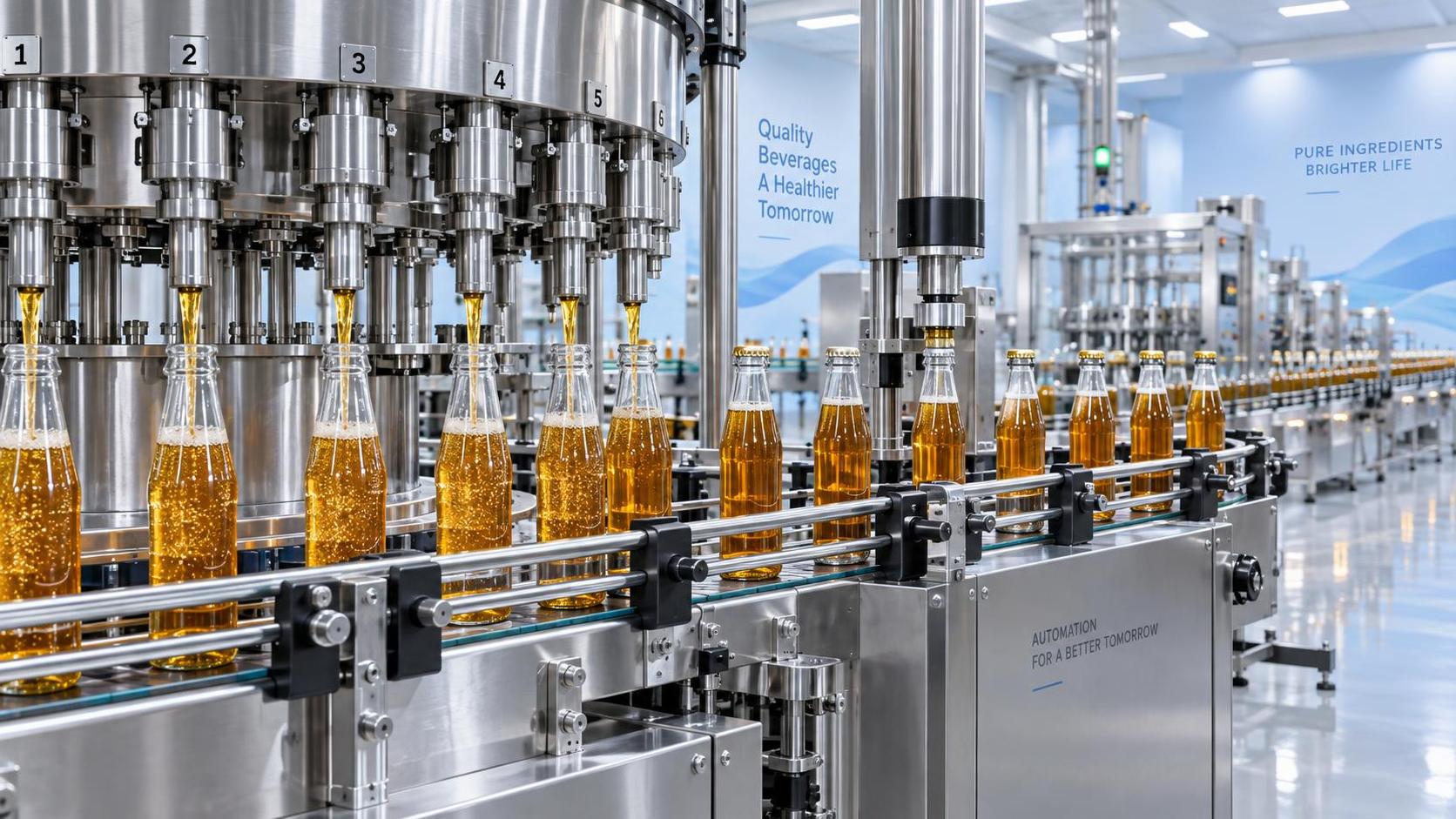
A filling line pays back when the monthly financial benefit created by automation exceeds the monthly cost of owning and operating it, and the cumulative benefit recovers the initial investment within the period your business considers acceptable. In beverage production, that benefit usually comes from a combination of lower direct labor, more saleable output per shift, tighter fill control, less product loss, and fewer production interruptions—not from speed alone.
The question often arises when a line is already working, but working expensively. Operators may be manually positioning bottles, correcting fill levels, clearing spills, reworking underfilled packs, or waiting while changeovers are completed. A proposed Automatic Liquid Filling Machine can look compelling on the production floor, yet it should not be approved because it is newer or faster. It should be approved when its expected contribution can be converted into a realistic payback calculation using your own operating conditions.
Start with a payback period, not a machine specification
The basic calculation is simple:
Payback period = Total project investment ÷ Annual net financial benefit
For a preliminary monthly view:
Payback period in months = Total project investment ÷ Monthly net financial benefit
The difficult part is defining “total project investment” and “net financial benefit” honestly. A machine quotation is only one part of the investment. Likewise, the output rate shown in a technical proposal is not automatically a financial gain. It becomes a gain only when that extra capacity can replace paid labor, avoid overtime, reduce outsourced production, prevent a production bottleneck, or support sales that the existing line cannot serve.
Before comparing options, set an internal decision boundary. Some operations require recovery within a short capital cycle; others accept a longer period when the equipment also removes a quality or capacity constraint. The appropriate threshold depends on cash flow, utilization, expected product life, and the alternative use of capital. The key is to use the same threshold for automation as for other production investments.
Calculate the full investment rather than the purchase price
A payback estimate becomes misleading when the equipment purchase price is treated as the entire project. Filling machinery can require site work, utility changes, integration, validation, and a controlled start-up period. These costs are not reasons to reject automation; they are reasons to budget properly.
- Machine and standard accessories: the base filler, capper or conveyor sections if included, control system, and agreed tooling.
- Installation and commissioning: mechanical placement, electrical connection, testing, line acceptance, and operator familiarization.
- Line integration: upstream rinsing, bottle handling, labeling, coding, packing, reject handling, conveyors, sensors, and control interfaces.
- Site preparation: floor modifications, drainage, compressed air, power capacity, cleaning connections, and safety guarding where required.
- Format parts: bottle guides, star wheels, change parts, caps or closure handling components for the container range you actually intend to run.
- Start-up allowance: planned downtime for installation, trial runs, settings adjustments, and initial material losses.
- Working capital effects: spare parts inventory, additional packaging stock, or larger production batches if automation changes scheduling.
Include any expense that must occur before the line can generate normal saleable output. On the other hand, do not load the project with unrelated factory improvements simply because they are being completed at the same time. The objective is an accountable investment model, not a number engineered to approve or reject the project.
Where the financial return usually comes from
Labor is usually the first item reviewed, but it should be evaluated as a real cost change rather than a headcount assumption. If automation allows one operator to move to another needed task, eliminates a temporary position, reduces overtime, or prevents additional hiring as volume rises, the saving can be counted. If the same number of people remain assigned to the same work without a changed responsibility, labor may be redeployed operationally but may not create an immediate cash saving.
Throughput can be more valuable than labor savings, particularly when filling is slowing the rest of the packaging line. Yet rated speed and realized output are different measures. Use expected saleable units per hour after normal stops, cleaning, container changes, rejects, and routine adjustments. A machine that runs quickly only under ideal conditions may not create the production capacity assumed in the business case.
Filling accuracy deserves close attention because small losses repeat across every bottle and every shift. Overfill consumes product that cannot be sold separately. Underfill can lead to rejected bottles, rework, or release concerns depending on the product and pack format. The financial effect should be calculated from observed current fill variation, the product cost per unit volume, and expected performance after commissioning. Do not assume zero giveaway; use a practical target that accounts for product behavior and normal process variation.
Product waste also appears outside the fill nozzle. Spillage during handling, rejected bottles caused by unstable positioning, losses during changeovers, and cleaning losses may all be relevant. Some losses are inherent to the process and will remain. Others can fall when bottle transfer, filling control, and line synchronization improve. Separate them so that the model does not credit the machine for losses it cannot reasonably eliminate.
Do not count capacity unless it has an economic destination
A common approval error is to multiply higher filling speed by every scheduled hour and call the result revenue. That approach overstates return in two ways: it assumes continuous operation and assumes every extra unit will be sold at a useful margin.
Extra capacity has a clear monetary value when it replaces outsourced filling, reduces chronic overtime, allows an existing demand backlog to be shipped, prevents a planned expansion elsewhere, or lets the facility consolidate production into fewer shifts. If demand is stable and the current line already meets the schedule, higher speed may still create flexibility, but it should not be treated as immediate incremental profit.
Ask production planning one practical question: “If the filler had more reliable available capacity next month, what paid activity would change?” The answer may be fewer weekend hours, less waiting at the packer, more time for sanitation, or no change at all. That distinction should flow directly into the model.
Use net benefit, not gross savings
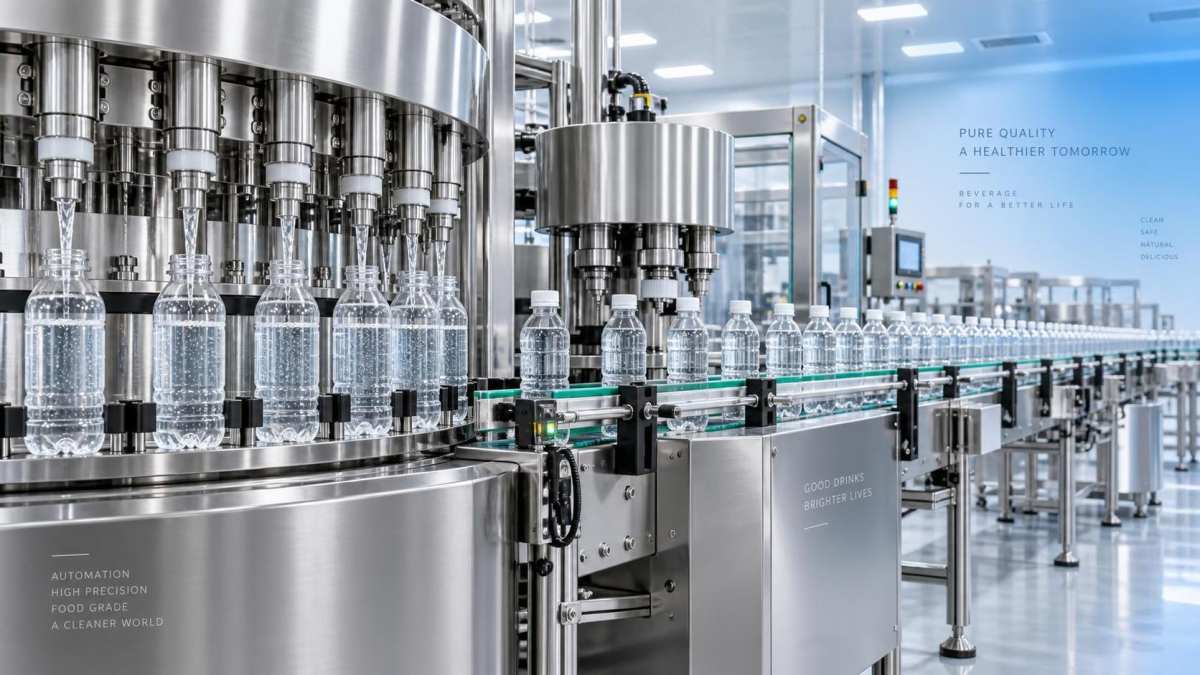
An automatic system introduces operating costs as well as savings. These should be deducted before calculating payback. Electricity, compressed air, water, cleaning materials, wear parts, planned maintenance, operator training time, calibration work, and service support can all affect the annual result. Some costs may be low in normal operation, but excluding them creates an overly optimistic return.
There can also be a labor change rather than a labor removal. Manual filling may require several repetitive handling positions, while an automated line may need fewer people but require an operator able to manage settings, alarms, format changes, and basic checks. Model the actual labor arrangement expected after stabilization, including any wage difference where relevant.
A useful format is:
- Annual labor cost avoided or reassigned to productive work
- + Annual contribution from additional saleable output that can genuinely be realized
- + Annual value of reduced product giveaway, scrap, and rework
- + Annual value of avoided overtime, contract production, or recurring stoppages
- − Annual maintenance, utilities, consumables, and incremental support costs
- = Annual net financial benefit
Keep each line visible rather than combining everything into one “efficiency saving.” A transparent calculation makes it easier to challenge weak assumptions without discarding benefits that are supported by operating evidence.
Match the filling method to the beverage and pack
Payback is affected by technical fit. A filler chosen mainly for headline speed can create hidden costs if it struggles with viscosity, foaming, bottle geometry, closure requirements, sanitation routines, or the planned range of formats. The resulting stops, adjustments, and product losses can extend the return period even when the machine is capable of a high nominal output.
For wine and other products where controlled filling conditions matter, the filling principle should be assessed alongside financial assumptions. A Negative Pressure Fully Automatic Wine Filling Production Line may be relevant where the intended process and packaging configuration suit negative-pressure filling. The decision should still rest on confirmed compatibility with the product, container, production rhythm, and hygiene procedures rather than on the line description alone.
During technical review, finance should request answers in operating terms: What bottle formats are included in the planned scope? How long does a normal changeover take once operators are trained? Which components are expected to wear? What cleaning procedure is required between products? What upstream and downstream equipment limits the achievable line rate? These answers affect both projected output and the ongoing cost base.
Build three cases before approving the project
A single optimistic payback period can hide too much uncertainty. A better approval paper shows a conservative case, an expected case, and an upside case. This does not require invented precision. It requires changing the assumptions that are genuinely uncertain.
The conservative case might use lower realized utilization, a longer start-up period, modest labor savings, and no credit for sales growth that has not been substantiated. The expected case can use the operating improvement supported by current data and production planning. The upside case may include demand that is probable but not yet committed, faster stabilization, or more complete overtime removal. Decision-makers can then see whether the project remains acceptable when the best assumptions do not materialize.
Be especially careful with the first few months. Commissioning often includes learning, parameter adjustments, and coordination with conveyors, capping, labeling, or packing equipment. A forecast that assumes full benefit from the first production day may show an attractive payback on paper while creating an avoidable budget variance later.
Questions that expose a weak payback claim
Before release of capital, test the proposal against the operational reality behind each benefit. Ask whether labor savings are cash-releasing or simply theoretical. Check whether historic waste figures separate filling losses from losses created elsewhere. Confirm whether the source of incremental demand has been identified. Review whether the planned production schedule includes cleaning, shifts, changeovers, and preventive maintenance rather than only rated line speed.
It is also useful to identify the break-even operating condition. For example, determine the minimum monthly production volume, minimum reduction in labor hours, or maximum acceptable maintenance cost needed for the project to meet the required payback period. This turns the investment from a broad promise into a measurable operating commitment after installation.
Where the line will run multiple beverage types or container formats, request a format-by-format view. A machine may pay back strongly on the high-volume core pack while producing limited benefit on low-volume formats with frequent changes. That does not invalidate the investment, but it changes how capacity and savings should be forecast.
Questions raised during capital approval
Should depreciation be included in a simple payback calculation?
Depreciation is usually not included in simple payback because it is an accounting allocation rather than a cash operating outflow. It may still matter for a broader investment appraisal, tax planning, and profit reporting. Keep the simple payback calculation clear, then assess depreciation and tax effects separately under your normal capital review process.
Can reduced quality risk be counted as a saving?
Count it only where there is an identifiable, evidence-based cost today, such as recurring rejected product, rework labor, or documented disposal. A general expectation of better consistency is valuable, but it should not be converted into a financial saving without a reasonable baseline.
What if the machine has a long payback but solves a production constraint?
Then simple payback should not be the only test. The project may protect supply continuity, enable a required product format, remove an aging equipment risk, or avoid a larger future expansion. State those strategic reasons separately from the cash benefits so they are evaluated openly rather than hidden inside an inflated savings estimate.
An Automatic Liquid Filling Machine pays back fastest when it replaces a clearly measured cost or constraint already present in the operation. The most reliable approval case is rarely the one with the highest theoretical speed. It is the one that links the installed line to documented labor hours, actual fill losses, achievable production time, and costs that can be tracked once the equipment is running.
Leave A Message
If you are interested in our products and want to know more details, please leave a message here, we will reply you as soon as we can.