
Which liquid filling machine suits low-viscosity beverages?
Time : Oct 21, 2026
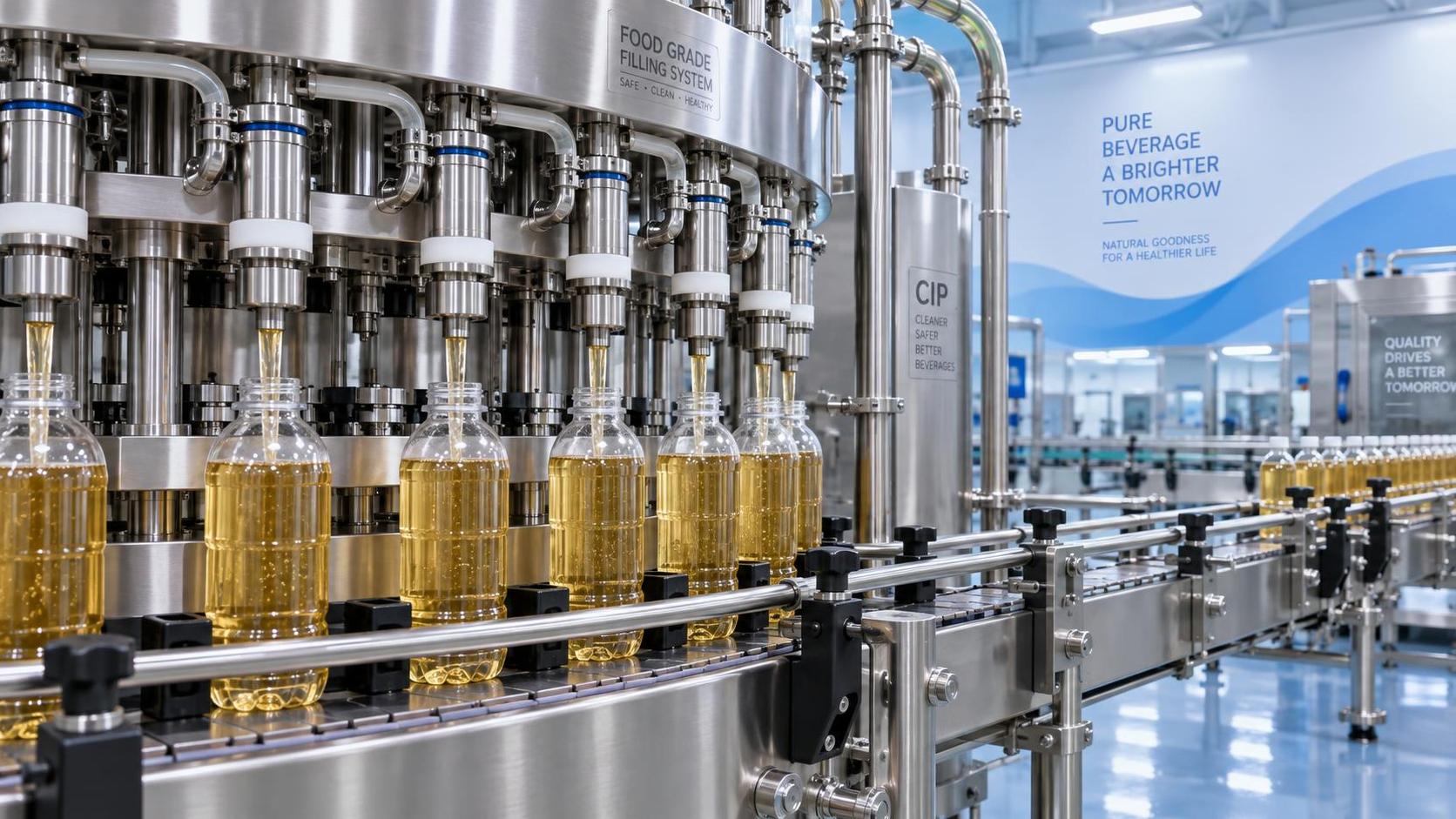
Choosing a Liquid Filling Machine for water, tea, juice drinks, and similar products is primarily a procurement decision about throughput, hygiene, flexibility, and lifecycle cost.
For most low-viscosity beverage applications, gravity fillers and overflow fillers are the strongest starting points, while volumetric piston systems suit specific accuracy requirements.
Buyers should not select equipment only by advertised speed. The right machine must match product behavior, container format, sanitation procedures, utilities, and future production plans.
Low-viscosity beverages flow easily, but that does not make filling simple. Foaming, splashing, changing bottle shapes, and cap-line coordination can still reduce efficiency.
This guide helps procurement teams compare Liquid Filling Machine technologies, identify operational risks, and develop a practical equipment specification before requesting supplier quotations.
Search Intent: What Procurement Teams Actually Need to Know
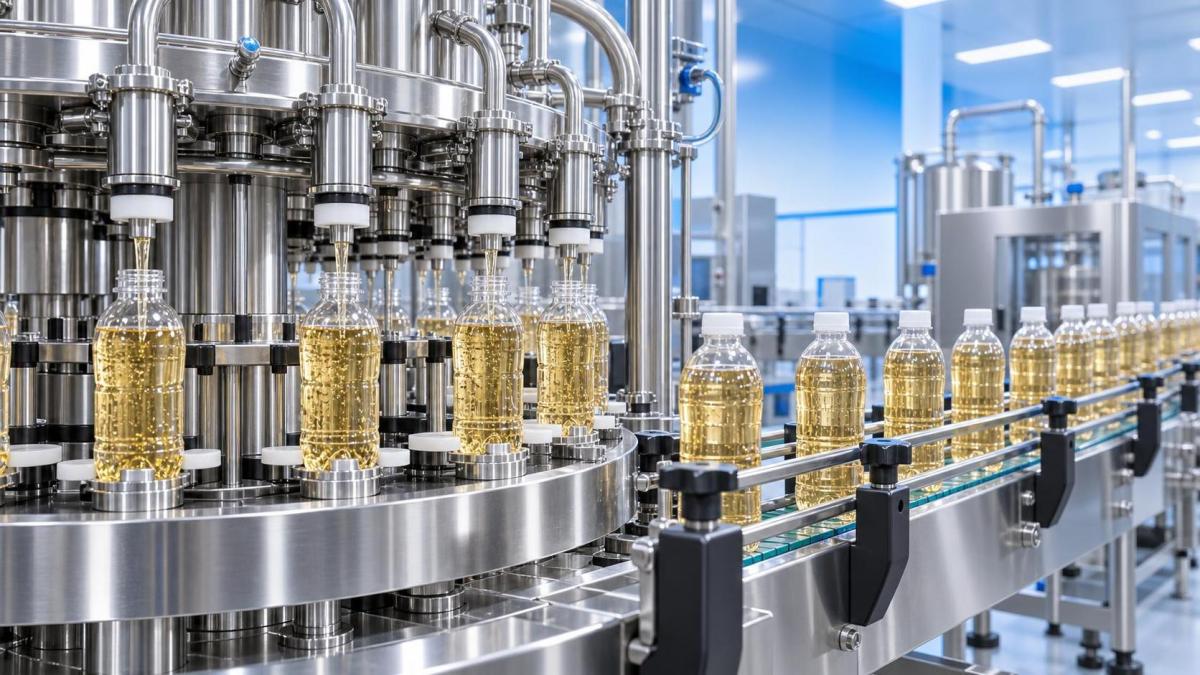
The core search intent is commercial investigation. Buyers want to identify which Liquid Filling Machine type can reliably fill thin beverages without overpaying for unnecessary complexity.
They usually need an answer that connects technology choices to measurable outcomes, including filling accuracy, production speed, cleaning time, product loss, and maintenance requirements.
Procurement teams also need confidence that a proposed system will work with their existing bottles, conveyors, caps, labeling equipment, and factory utility conditions.
Generic descriptions of filling machinery provide limited value. The useful question is whether a machine can meet the required output under actual beverage and packaging conditions.
For this reason, buyers should prioritize application fit over a supplier's standard model name. Similar-looking fillers can have very different valve designs and control capabilities.
Why Low-Viscosity Beverage Filling Requires the Right Technology
Low-viscosity products include still water, flavored water, ready-to-drink tea, diluted juice drinks, electrolyte beverages, syrups with low solids, and certain dairy alternatives.
These liquids move quickly through pipes and valves. Their rapid flow can create splashing, inconsistent fill levels, foaming, and product carryover when filling parameters are poorly controlled.
Foaming is particularly important for carbonated-adjacent or protein-containing drinks. Even a non-carbonated beverage may foam because of temperature, ingredients, or high filling velocity.
Thin liquids also expose small mechanical inconsistencies. A poorly timed nozzle, unstable bottle position, or inaccurate fill valve can create visible variation across finished packages.
The ideal Liquid Filling Machine controls flow smoothly, positions containers consistently, and delivers repeatable volume or level performance at the intended operating speed.
Hygiene requirements raise the selection threshold further. Beverage producers often need food-grade contact parts, easy cleaning access, sanitary piping, and dependable sealing materials.
Procurement decisions should therefore consider the complete filling environment. The filler is not isolated equipment; it must function as part of an integrated production line.
Gravity Fillers: The Practical Choice for Many Still Beverages
Gravity filling machines use the product's natural downward flow to transfer liquid from a tank or manifold into a bottle, jar, or other container.
They are commonly used for still water, thin juices, teas, vinegar-based drinks, and other non-viscous products that do not require highly precise metered volumes.
For many beverage plants, gravity filling offers a favorable balance of simple construction, economical investment, reliable operation, and relatively straightforward maintenance.
These machines can be configured as semi-automatic units for small production runs or as inline and rotary systems for higher-volume packaged beverage operations.
Gravity fillers are most suitable when the product flows consistently, the target fill volume has reasonable tolerance, and a simple sanitary product path is preferred.
However, gravity systems may be less suitable when exact net content control is critical. Changes in product head pressure and filling time can influence the delivered volume.
Buyers should ask suppliers how the machine compensates for changing tank levels, whether nozzles provide drip control, and how bottle presence is detected.
It is also important to confirm whether the filling valves can be adjusted individually. This capability can shorten troubleshooting time and improve line consistency.
Overflow Fillers: Best for Consistent Visual Fill Levels
Overflow filling is often the preferred method when packaged beverages need a uniform visible fill line, especially in clear bottles sold through retail channels.
The process fills each container to a set level. Excess product returns through the overflow path, allowing bottles of slightly different internal volumes to appear consistent.
This technology is effective for water, clear juices, iced tea, and other low-viscosity beverages where shelf presentation and fill-level appearance influence product perception.
Overflow fillers can also manage certain foaming issues because the liquid level is controlled through the filling nozzle design rather than solely by timed dispensing.
Nevertheless, overflow filling creates a recirculation path. Buyers must evaluate product recovery, cleaning procedures, sanitation risks, and the operational cost of returned liquid.
For products containing pulp, particulates, or sensitive ingredients, the return flow may be undesirable. In those cases, alternative filling methods may protect product quality better.
Procurement teams should request detailed information about nozzle construction, bottle neck compatibility, recirculation design, and the machine's clean-in-place capabilities.
An overflow Liquid Filling Machine is especially attractive when brand standards require every transparent bottle to show the same apparent product level on the shelf.
Volumetric Piston Fillers: Useful When Measured Volume Matters Most
Piston fillers use a positive-displacement mechanism to draw a measured quantity of product and dispense it into each container through controlled filling nozzles.
Although piston systems are frequently associated with thicker products, they can fill low-viscosity beverages when a producer requires tighter volumetric control than gravity systems provide.
This option may suit premium functional drinks, concentrates, sample packs, specialty beverages, or formats where fill-volume compliance has particularly high financial importance.
The principal advantage is controlled dispensing volume. Properly configured piston systems can deliver repeatable fills even when bottle geometry changes between product formats.
The tradeoff is greater mechanical complexity. Pistons, seals, valves, and cylinders require systematic maintenance, particularly when the product contains acidic ingredients or abrasive additives.
Buyers should review wetted-part materials, seal availability, changeover requirements, and the supplier's recommended preventive maintenance schedule before selecting this approach.
For very high-speed water bottling, piston filling is not always the most economical solution. Rotary gravity or level filling may deliver higher output more efficiently.
A purchase decision should therefore compare accuracy requirements against capital cost, maintenance workload, production rate, and the actual consequences of minor fill variation.
Other Filling Options That May Be Relevant
Flow-meter filling systems measure product movement electronically or mechanically, making them suitable for producers that need accurate volume measurement at higher automation levels.
Mass flow meters can offer strong accuracy but increase initial investment. They are usually considered when product value, compliance demands, or complex production requirements justify the cost.
Vacuum filling is another method used for certain low-viscosity liquids, particularly where bottle design or filling behavior benefits from controlled vacuum-assisted liquid transfer.
Counter-pressure filling is essential for carbonated beverages, but it is generally unnecessary for still water, tea, and non-carbonated juice drinks with low viscosity.
Aseptic filling systems may be required for shelf-stable beverages without preservatives. This is a packaging and microbiological requirement, not simply a viscosity-based choice.
Buyers should avoid specifying advanced technology simply because it appears more sophisticated. Added automation must solve a verified production need and produce measurable operational value.
Compare the Machine Against Your Beverage and Packaging Requirements
Begin with the beverage itself. Document viscosity, temperature, acidity, sugar level, suspended solids, foam tendency, carbonation status, and cleaning sensitivity before contacting suppliers.
Product temperature matters because warmer liquids usually flow faster and may foam differently. Equipment tested with water may perform differently with the actual beverage formula.
Next, define container types precisely. Include bottle material, neck finish, height range, base diameter, shape variation, required fill level, and acceptable headspace.
PET bottles can flex during handling, while glass containers need stable transport and careful contact control. These details affect guide rails, bottle handling, and nozzle positioning.
Also specify whether the operation uses screw caps, sports caps, snap caps, aluminum closures, or other sealing formats. Filling and capping performance must be considered together.
The conveyor configuration deserves equal attention. In curved sections, transfer stability can affect bottle spacing and filling reliability, particularly at faster line speeds.
Components such as a Bottle Conveyor Line Turning Drive Head can support controlled bottle movement through turns and help maintain orderly flow between packaging stations.
Ask suppliers to define line interfaces clearly. This includes conveyor height, bottle pitch, accumulation behavior, machine infeed and discharge requirements, and synchronization controls.
Set Realistic Speed and Accuracy Requirements Before Requesting Quotes
Procurement specifications should state required production output in bottles per hour, not only bottles per minute. Include expected operating hours, shifts, and planned annual volume.
Do not select a machine based on its maximum theoretical speed. Actual output declines when changeovers, sanitation, bottle jams, cap shortages, and routine adjustments are included.
Request an expected operating efficiency figure and ask how the supplier defines it. A transparent calculation is more useful than an impressive maximum-speed claim.
Filling accuracy should be expressed as an acceptable tolerance for each package size. The required tolerance may differ for economy products, premium drinks, and regulated markets.
Underfilling creates compliance and customer-service risk. Overfilling appears less serious, but it steadily increases product giveaway and can materially reduce margins at scale.
Calculate the financial effect of overfill before buying. A small excess volume multiplied across millions of bottles may justify a more accurate Liquid Filling Machine.
For example, procurement teams can compare the cost of product giveaway against the added price of flow-meter controls, better valves, or automated fill-level inspection.
Hygiene, Cleaning, and Material Selection Are Procurement Priorities
Every beverage filler should use food-contact materials suitable for the product and applicable regulations. Stainless steel 304 or 316 is common, depending on chemical exposure.
Acidic juices, flavored drinks, and aggressive cleaning chemicals may require more corrosion-resistant materials. Buyers should confirm compatibility rather than assume a standard specification is adequate.
Sanitary design should minimize dead legs, trapped product zones, difficult-to-access joints, and components that cannot be cleaned consistently between production batches.
Clean-in-place systems can reduce labor and improve repeatability, but their value depends on line complexity, product range, cleaning frequency, and validation requirements.
For smaller operations, manual cleaning may remain practical. Even then, filling heads, hoses, pumps, and tanks should be accessible enough for reliable inspection and sanitation.
Ask whether seals, gaskets, and flexible hoses are approved for the beverage formula and cleaning process. These consumable parts often determine maintenance frequency.
Procurement teams should also verify drainage design. Standing water or residual product can create hygiene risks, slow changeovers, and complicate sanitation verification.
Evaluate Changeovers, Automation, and Future Product Growth
Many beverage producers begin with one bottle size but later introduce new formats, seasonal flavors, multipacks, or private-label products. Flexibility has real commercial value.
Assess how long it takes to change guides, nozzles, fill settings, capper parts, and labeler components. A low purchase price can be offset by slow changeovers.
Tool-less adjustments, digital recipes, servo positioning, and labeled change parts can reduce operator error. Their value increases when the plant manages frequent SKU changes.
Automation should match labor availability and process complexity. Entry-level machines may need more operator involvement, while automated lines reduce repetitive handling and improve consistency.
However, complex controls require trained operators and responsive technical support. Procurement should evaluate usability, documentation quality, remote support options, and spare-parts lead times.
Expansion capacity should be addressed early. Confirm whether more filling heads, faster conveyors, additional capping stations, or inspection modules can be added later.
A scalable system may cost more initially, but it can prevent premature replacement when demand rises or the product portfolio changes.
How to Compare Suppliers Beyond the Equipment Price
A supplier quotation should identify the machine model, filling principle, number of heads, stated capacity, container range, utilities, product-contact materials, and included accessories.
Request a clear list of exclusions. Installation, commissioning, freight, customs duties, training, spare parts, conveyors, capping equipment, and validation support may be separate costs.
Factory acceptance testing is valuable when it uses the buyer's actual bottles and representative beverage. Water-only tests may not reveal foam, splash, or product-specific cleaning issues.
Ask for documented performance criteria during acceptance testing. These should include speed, accuracy, reject rates, fill consistency, leakage, and proper operation of safety systems.
After-sales support matters as much as machine construction. Evaluate response times, local service coverage, spare-parts stock, technical manuals, wiring diagrams, and remote diagnostics.
References from similar beverage applications can reveal whether a supplier's equipment performs reliably after commissioning, rather than only during a demonstration.
The lowest quotation is rarely the lowest total cost. Consider downtime risk, product giveaway, operator requirements, service access, energy use, and expected machine life.
A Practical Selection Framework for Buyers
For still water and similar products, start by evaluating gravity or overflow filling. Choose overflow when visual fill-level consistency is a priority for transparent containers.
For tea, clear juice drinks, and flavored beverages, compare gravity and overflow systems while testing real foam behavior, sanitation requirements, and product recovery needs.
For higher-value drinks requiring accurate net content, consider piston or flow-meter filling. The best option depends on target speed and the savings achieved through reduced overfill.
For carbonated beverages, specify counter-pressure technology. For shelf-stable aseptic products, begin with microbiological and packaging requirements before comparing filling mechanisms.
Create a weighted comparison matrix before selecting a supplier. Suggested criteria include production capacity, accuracy, cleaning time, changeover time, price, support, and expansion capability.
Give each criterion a value based on business impact, then score every proposal using confirmed technical information. This reduces decisions driven by incomplete demonstrations or sales claims.
The resulting specification should become the basis for supplier negotiations, acceptance testing, installation planning, and post-purchase performance measurement.
Conclusion: Match the Filling Method to the Real Production Requirement
The best Liquid Filling Machine for low-viscosity beverages is usually not the most complex machine. It is the one that delivers consistent output for the product and package.
Gravity filling is often an economical option for still beverages. Overflow filling is strong for consistent visible levels, while volumetric systems support tighter volume control.
Procurement teams should base their decision on actual beverage trials, measurable performance criteria, cleaning needs, packaging compatibility, and total cost of ownership.
When those factors are defined before purchase, buyers can select filling equipment that supports reliable production, protects beverage quality, and remains viable as demand grows.
Leave A Message
If you are interested in our products and want to know more details, please leave a message here, we will reply you as soon as we can.