
How liquid packaging systems support future line expansion
Time : Oct 30, 2026
How Liquid Packaging Systems Support Future Line Expansion
Beverage packaging lines rarely stay still for long. A plant may begin with one core SKU, then add a low-sugar version, a premium glass format, a seasonal promotion, or a larger pack for foodservice. What looked like a straightforward filling-and-capping project can become a complex network of bottle handling, labeling, coding, secondary packaging, inspection, and pallet flow.
That is why the best time to plan for expansion is before the first line is installed. Liquid Packaging Systems are not simply collections of machines placed in sequence. They determine how easily a manufacturer can increase throughput, introduce different containers, add automation, and maintain product quality when the business changes direction. A line that meets today’s output target but leaves no practical room for upgrades can become expensive far sooner than expected.
Scalability does not mean buying the largest equipment available. In many projects, oversized machinery creates avoidable capital cost, higher utility demand, and more complicated maintenance. The more useful question is whether the chosen system has a realistic upgrade path: physical space, compatible controls, suitable conveyors, and equipment interfaces that do not need to be rebuilt every time a new product is introduced.
Expansion starts with the flow of the line, not just filler speed
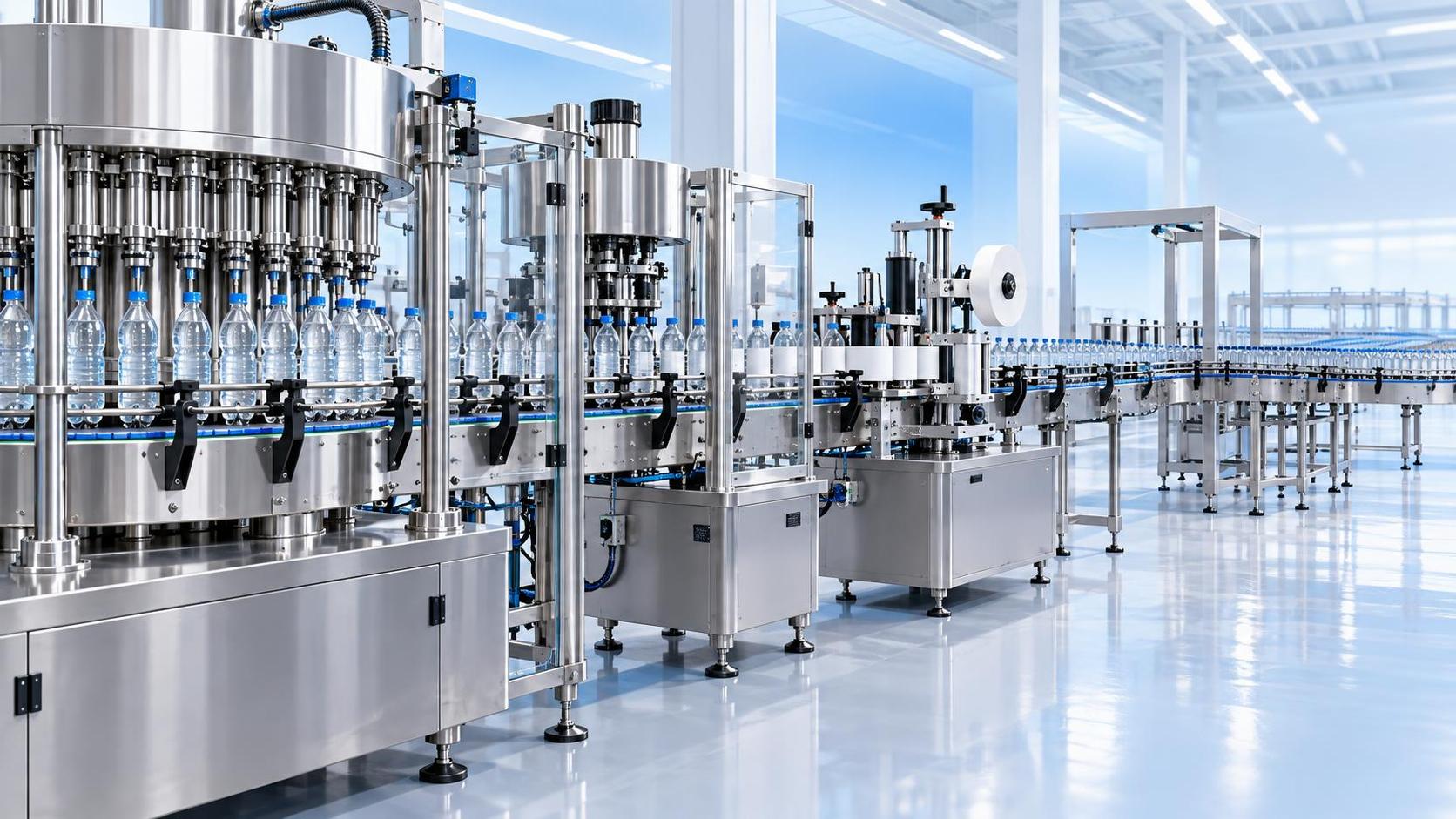
A common purchasing mistake is to focus almost entirely on filling speed. The filler is highly visible and often represents a major share of the investment, but it does not operate in isolation. A faster filler may expose limits in bottle unscrambling, cap feeding, label application, shrink sleeving, case packing, or accumulation. If downstream equipment cannot absorb short interruptions, the filler will repeatedly stop and the theoretical capacity will never become useful capacity.
When reviewing Liquid Packaging Systems for future growth, it helps to examine the line as a series of operating windows rather than a single rated output. Ask what happens when labels need replenishing, when a cap chute requires attention, or when an operator clears a rejected bottle. A well-planned accumulation section gives adjacent machines time to recover without stopping the entire process. It is not wasted floor space; it is often what makes a line stable during normal production.
The physical layout deserves the same discipline. Plants frequently reserve room for a future filler but forget the additional conveyor length, utility drops, access aisles, electrical panels, quality inspection equipment, and material staging that expansion will also require. There should be enough access to clean, change parts, inspect guarding, and service drive components. A line that fits tightly on a drawing may become difficult to operate once pallets, spare parts, and people enter the space.
Build flexibility around the formats most likely to change
Not every beverage producer needs unlimited format flexibility. A high-volume water line dedicated to one PET bottle has different priorities from a contract packer that handles multiple bottle heights, cap types, and label designs in the same week. The right level of flexibility depends on the product plan, not on a generic claim that “multi-format” is always better.
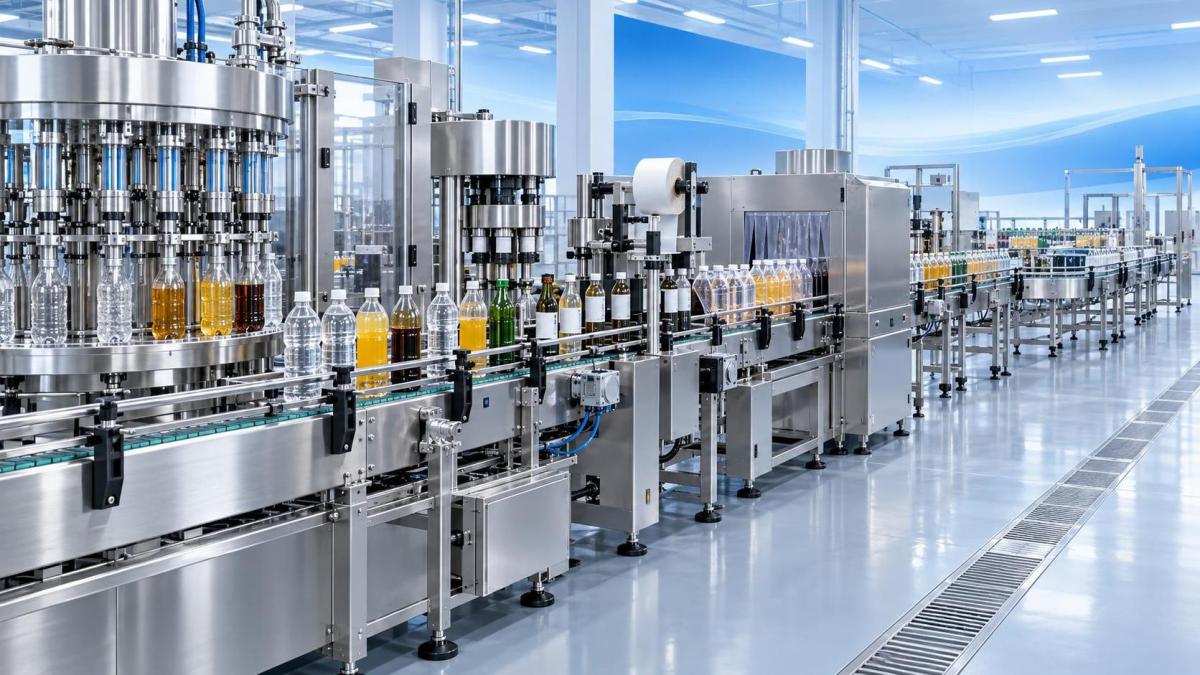
Still, format changeovers are one of the first areas where an inflexible line becomes a constraint. Bottle diameter, height, neck finish, cap geometry, label position, and pack configuration can all affect machine settings. Some changes are handled through recipes and mechanical adjustments; others require format parts. Neither approach is automatically wrong. The practical concern is whether change parts are clearly identified, reasonably quick to install, and available before a product launch rather than after production has already been scheduled.
A useful planning exercise is to identify three groups of formats: the bottles used today, formats with a high probability of being introduced within the next few years, and formats that are only speculative. The first two groups should influence equipment selection. Designing every station around unlikely packaging concepts can add complexity with little return. Conversely, ignoring a known future glass bottle or larger PET format may force a costly replacement of conveyors, guides, and handling components later.
Container stability matters more than it sometimes appears during early discussions. Lightweight bottles, tall slim containers, and unusual shapes can behave differently at higher line speeds. They may require improved guide adjustment, more careful transfer design, or different spacing control. Before approving a future format, manufacturers should confirm how it moves through the full path—not only how it performs at the filling station.
Modular automation is easier to expand than isolated automation
Automation is often introduced in stages. A business may initially prioritize filling, capping, and labeling, then later add vision inspection, automatic reject handling, robotic case packing, or data collection. This staged approach can make commercial sense, but only if the early installation leaves room for the later systems to communicate and operate safely.
The key issue is not whether every machine comes from one supplier. Mixed equipment lines can work well. What matters is clarity around interfaces: conveyor control logic, emergency-stop zones, product tracking, fault signals, and the handoff of containers between machines. If control architecture is treated as an afterthought, a later upgrade may require extensive rewiring and programming just to make two otherwise capable machines run together.
For example, a line preparing for future automated inspection should consider where bottles can be spaced consistently, where rejected containers will go, and how the system will prevent rejected products from re-entering production. The installation may not need every inspection device on day one, but it should not make proper inspection impossible later.
The same principle applies to data. Production teams usually need practical information rather than an elaborate dashboard: stoppage reasons, output by SKU, recurring fault locations, and changeover duration. Equipment that can provide accessible operating signals gives a manufacturer a better base for diagnosing losses as output grows. The value lies in using the information to solve a real bottleneck, not in collecting more signals than anyone will review.
Do not overlook finishing equipment when new packaging is introduced
Line expansion is often triggered by packaging differentiation rather than by volume alone. A beverage may move into a more premium presentation, add tamper-evident features, or adopt a closure treatment that supports brand appearance and handling requirements. These changes can affect the pace and balance of the entire line.
Capsule application and heat shrinking, for instance, should be evaluated in relation to bottle geometry, closure dimensions, sleeve material, and the required presentation after shrinkage. It is easy to view this as a small finishing step, yet inconsistent capsule positioning or poor shrink quality can create visible rejects and slow downstream packing. Where this type of application is part of the product roadmap, an option such as the RS-6 Automatic Capsule Heat Shrink Machine should be considered as part of the line flow, including its infeed, discharge, operator access, and integration with the chosen bottle handling arrangement.
This is also where pilot trials can prevent expensive assumptions. A sample container may look suitable on a supplier’s bench test but behave differently once it travels through a full line with normal production variation. Trials should reflect actual closures, labels, fill conditions, and intended operating speeds wherever possible.
Capacity planning should account for downtime, not only demand forecasts
Future demand projections are necessary, but they are not enough to define capacity. The available production window is reduced by cleaning, maintenance, changeovers, raw-material replenishment, quality checks, and unplanned stops. A line selected solely by comparing nominal bottles per hour against a sales forecast may have little margin when the SKU mix becomes more complicated.
A more grounded approach is to map expected production by product family. Consider which SKUs will run in long campaigns and which will require frequent changes. A line with modest peak speed and short, controlled changeovers may be more useful than a faster system that consumes too much time between formats. This is particularly relevant for brands with promotional packs, regional labels, or seasonal products.
Expansion can also mean adding shifts before adding equipment. If floor space, utilities, and maintenance support are already constrained, running longer may create pressure elsewhere in the operation. The packaging system should therefore be assessed alongside CIP arrangements, compressed air capacity, power supply, product availability, warehouse flow, and staffing. A bottleneck outside the packaging hall can limit the return on an otherwise well-designed line.
Specify upgradeability in the purchase process
“Upgradeable” can mean very different things depending on the supplier. During technical review, broad promises should be converted into specific questions. Can the conveyor system accept a higher-speed section? Is there physical space for another labeling station? Are electrical panels sized with spare capacity? Can controls accommodate additional I/O and machine communication? Which format changes need new parts, and what lead time is normally required for those parts?
It is also worth separating upgrades that are genuinely planned from upgrades that are merely possible in theory. A supplier may be able to modify equipment later, but a modification could still require lengthy downtime, new guarding, substantial controls work, or replacement of related machinery. The most valuable future-proofing measures are usually simple ones agreed at the start: reserved floor space, sensible utility routing, documented interfaces, expandable control capacity, and a layout that permits access to both existing and future modules.
Documentation has a quiet but lasting role here. Accurate electrical drawings, pneumatic layouts, approved component lists, software backup procedures, and change-part records make future projects less dependent on memory or individual personnel. When expansion begins several years after commissioning, these records often save more time than a minor feature added to the original machine.
The best expansion plan preserves choices
A beverage packaging line should not be designed around every imaginable future scenario. That approach can make the first project unnecessarily expensive and difficult to run. It should, however, preserve sensible choices: the ability to add capacity without rebuilding the whole flow, introduce likely formats without compromising handling, and add automation without creating a controls problem.
Before committing to a system, review the layout with the next product launch in mind rather than only the current production schedule. Walk through the physical movement of bottles, caps, labels, cases, operators, and rejected products. Then ask what must change if output rises or a new package enters the portfolio. If the answer is a contained upgrade rather than a major redesign, the Liquid Packaging System is far more likely to support growth on practical terms.
Leave A Message
If you are interested in our products and want to know more details, please leave a message here, we will reply you as soon as we can.