
Liquid Filling Machine Cleaning Essentials and Common Troubleshooting
Time : Apr 12, 2022
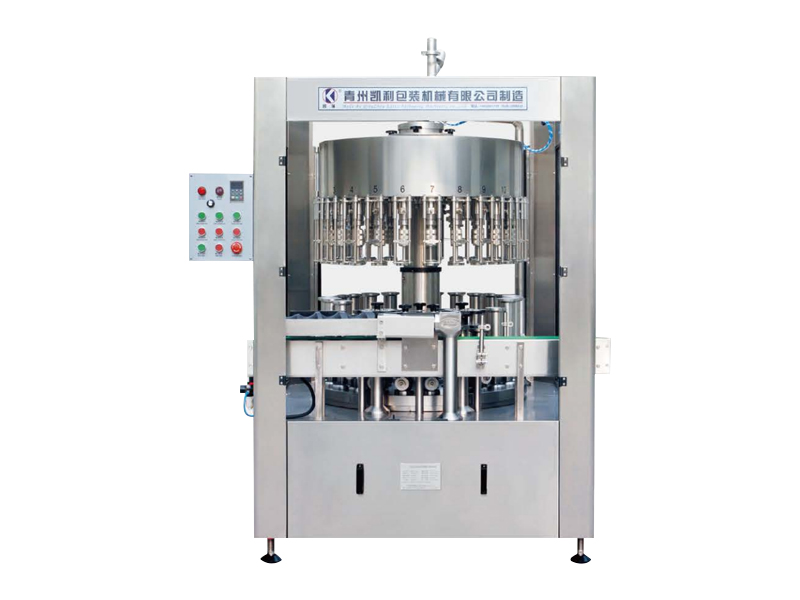
As is evident from the name, a liquid filling machine is used to fill various types of liquids and has a wide range of applications, including various beverages, pharmaceutical liquids, and more. As the name implies, the first thing that comes to mind is that it is used for filling liquids, so the primary requirement is to ensure that the containers are clean. In addition, the filling containers used must undergo strict inspection and cleaning procedures; otherwise, the filled beverages will be contaminated.
In addition to keeping the filling machine clean, it is also essential to maintain a clean and tidy filling workshop. At the same time, attention should be paid to sterilization, cleanliness, and low-temperature filling when using the filling machine. This is because, during production, it is rare for the liquid filling machine itself to have quality problems that prevent the production line from operating properly.
The main methods for ensuring the cleanliness of a liquid filling machine are as follows:
First, keep the pipelines of the liquid filling machine clean. Particular attention should be paid to all pipelines, especially those that come into indirect or direct contact with materials, which must be kept clean. How can this be achieved? Generally, it is only necessary to follow the points below. First, brush-clean them weekly, flush them with water daily, and sterilize them each time. Second, ensure that the filling machine is clean, and repeatedly brush-clean and sterilize the material tank to ensure that the parts in contact with materials are free of deposits and miscellaneous bacteria.
Second, during production, ensure the biological stability and sterilization of bottled beverages. The method is to strictly control the sterilization time and temperature to ensure effective results. At the same time, avoid excessively long sterilization times or excessively high temperatures to reduce beverage oxidation. Therefore, the best practice is to cool the product as soon as possible after sterilization, preferably to no more than 35℃. Low-temperature filling is a basic requirement for beverage filling because beverages are generally less likely to foam in a low-temperature environment, which is beneficial for filling.
Before each operation of the liquid filling machine, be sure to use cold water at 0~1℃ to further reduce the temperature of the filling machine tank and conveying pipelines. If the filling temperature exceeds 4℃, the temperature should be reduced before filling. Make full use of the insulated tank or constant-temperature filling function so that the material can remain at a constant temperature throughout the specified filling operation time, thereby preventing unstable operation of the liquid filling machine caused by excessive temperature fluctuations. In addition, repeatedly ensure that the filling equipment is isolated from other equipment. In particular, cross-contamination between the lubrication and filling material sections of the liquid filling machine must be prevented. It is also important not to overlook that the conveyor belt should be lubricated with soapy water or lubricating oil.
Leave A Message
If you are interested in our products and want to know more details, please leave a message here, we will reply you as soon as we can.